PlantCare AISign in

Four benches · one workbench.

Plant stress speaks in four dialects. One bench reads them all.

Photograph the leaf, upload the RNA-seq table, assay the metabolites, or submit raw FASTA. Each becomes an evidence-grounded stress reading, filed in a private journal.

Free to start · No card needed · Honest readings, never false certainty.

2 / 7 · Instrument

Four readings, one console.

Each bench reads one kind of evidence. The console sets all four side by side, so a symptom in the photo can be checked against the table, the assay and the sequence.

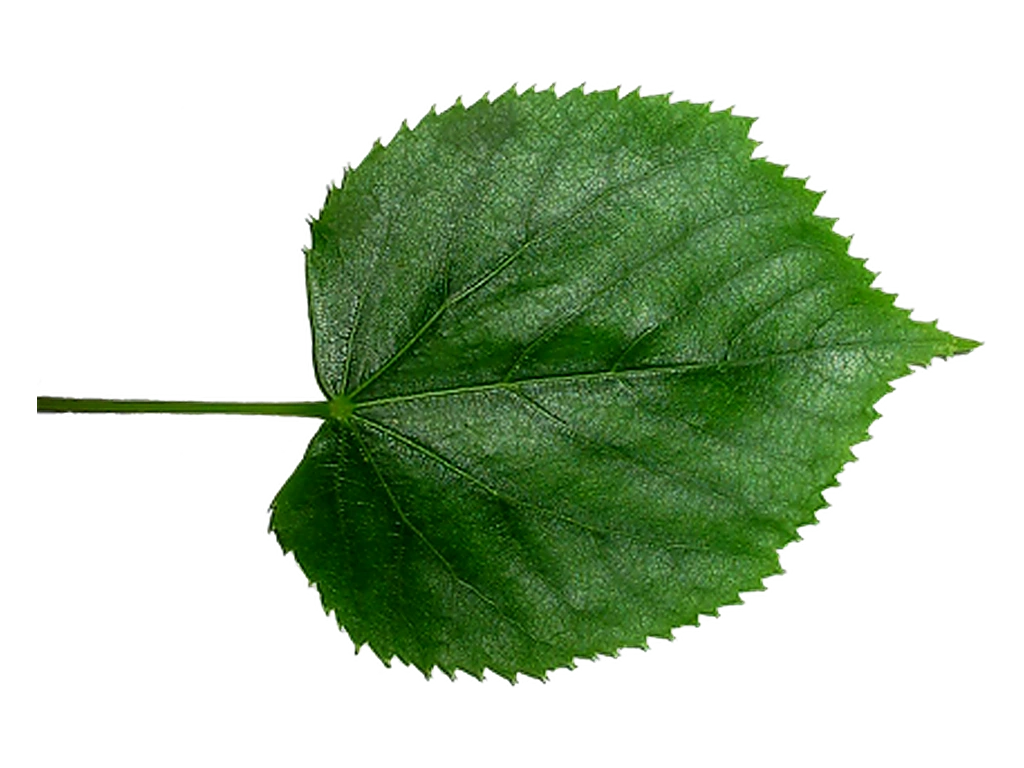
  • Photo: a leaf with clay symptom boxes. Mild stress, 11.8% symptomatic area.
  • RNA-seq: a volcano plot on a log2FC axis. Significant up in clay, significant down in chloro, noise in faint ink.
  • Assay: proline 4.2× high, MDA 2.8× high, chlorophyll a −38% low, soluble sugars in band.
  • FASTA: a Solanum lycopersicum PR-1a snippet with one motif highlighted. Flagged — GO:0006952 · defense response.

Instrument console4 benches online

Analysis benches
04
Reference genomes
11
Symptom classes
07
Invented readings
0

3 / 7 · Profiles

A profile is one plant or project.

  • Switching profiles switches the whole workbench.
  • Saved readings and the in-progress state of each bench survive a reload.
  • The active profile is private to your account. Nobody else’s rows appear.

Example profile · Tomato · PR-1a · 4 readings, 1 per bench

The four benches

4 / 7 · Bench 01

Phenomic

InputLeaf photo · JPG, PNG or WebP, up to 8 MB, or a photo just taken
  • Pl@ntNet names the species and screens known diseases. Each result carries its own confidence.
  • A segmentation model outlines symptomatic regions and measures their area: chlorosis, necrosis, leaf spot, rust, fungal, pest damage, other. A healthy region is not a symptom.
  • A documented rule grades healthy, mild, moderate or severe from symptomatic area, symptom severity and disease confidence. Thirty percent symptomatic area saturates the area term. The grade quotes the numbers that produced it.
  • Symptoms map to a literature metabolite table, which is not a measurement from the photo. A rules engine drafts a treatment plan you can keep or edit: Foliar Spray, Nutrient Supplement, Irrigation Adjustment, Environmental Adjustment, Pest Control, Monitoring.
  • Species and confidence
  • Disease findings
  • Symptom overlays
  • Stress grade
  • Metabolite map
  • Treatment plan

Example readout: mild stress, 11.8% symptomatic area.

If segmentation is not configured, the bench says “Segmentation not configured” and draws no overlays. Species, diseases and disease-driven stress still render.

4 / 7 · Bench 02

Transcriptomic

InputCount matrix, differential-expression table or gene list · CSV, XLSX, JSON or Markdown
  • Computes a real group comparison, log2 fold change and significance, only when the table has the groups to support it.
  • Draws the volcano so up- and down-regulated genes separate.
  • Annotates with Gene Ontology. The interpretation reads the pattern and respects direction of regulation. It does not treat every change as activation.
  • A bare gene list gets classification and GO context, never fabricated statistics.
  • log2FC table
  • Volcano plot
  • GO terms
  • Interpretation

Significant up = clay · significant down = chloro · noise = faint ink.

4 / 7 · Bench 03

Metabolomic

InputAssay readings · CSV, XLSX, JSON or Markdown
  • Matches compounds to a curated catalog, including aliases.
  • Grades each marker against its published literature band: below, in band or above.
  • Combines graded markers into a stress level, a likely stress type and a duration band: hours, days, chronic, or no clear duration signal.
  • Keeps the result paginated, searchable and sortable down to the marker.
  • Per-marker grade
  • Stress level
  • Stress type
  • Duration band

Example: proline 4.2× above band, osmotic stress.

When peak area is not µmol/g, the result is a within-file or literature-range estimate, not a lab diagnosis.

4 / 7 · Bench 04

Genomic

InputRaw FASTA and one reference organism
  • The reference is one of eleven: Arabidopsis thaliana (thale cress), Oryza sativa (rice), Zea mays (maize), Solanum lycopersicum (tomato), Solanum tuberosum (potato), Glycine max (soybean), Triticum aestivum (wheat), Populus trichocarpa (poplar), Medicago truncatula (barrel medic), Nicotiana tabacum (tobacco), Chlamydomonas reinhardtii (green alga).
  • Genes are located and annotated against that reference. Defense and stress roles are flagged only from real Gene Ontology terms, with evidence strength. A gene id alone never asserts a stress role.
  • An optional stress filter. Abiotic: drought, heat, cold, salinity, flooding, oxidative. Biotic: pathogens, fungi, bacteria, insects, diseases.
  • The result is a report you can file and reopen. An unknown organism, or an analysis with no species, is stated. It is not guessed.
  • Gene annotations
  • Stress-role flags
  • GO evidence
  • Full report

Example flag: GO:0006952 · defense response.

5 / 7 · PlantCare-Bot

A chat locked to four readings.

After the four readings are filed, the chat locks onto exactly one analysis from each bench about the same subject. Common and scientific names match, so tomato and Solanum lycopersicum are one subject.

  • An analysis with no species cannot be selected. The server checks ownership and that rule again on every message.
  • Questions stay inside those four readings. Off-topic requests are declined.
  • Follow-ups stay in the same session, so the subject does not change. “New chat” returns to selection.

6 / 7 · House rules

Three rules every bench keeps.

Status

Nothing is fabricated.

If a model is down or unconfigured, the reading degrades to a typed per-service status. The bench reports what happened. It never invents regions, values or genes.

Evidence

Confidence on the label.

Species, diseases and stress grades carry the score the evidence allows. When a photo cannot be identified, the journal says so.

Access

Private by default.

Every route serves only the signed-in user’s own rows.

7 / 7 · Close

Put your first plant on the bench.

  1. Pick a bench.
  2. Upload the evidence.
  3. Keep the reading.
  • All four benches are included from the first account.
  • The same plant can be tracked across weeks.
  • Estimates carry their confidence.